The Science of Saving Lives Before It Was Possible: The Untold Story of Synthetic Blood
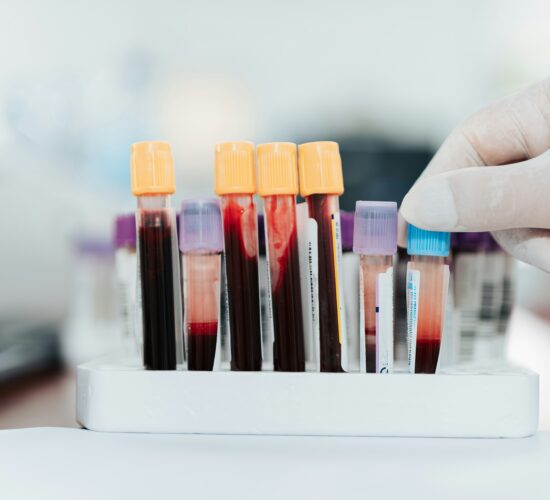
For centuries, doctors have searched for better ways to replace lost blood. Severe bleeding from accidents, childbirth, surgery, and war could quickly become fatal because the body needs red blood cells to carry oxygen to vital organs. Modern transfusion medicine eventually made it possible to replace lost blood safely, but researchers once imagined something even more ambitious: a blood substitute that could be stored easily, given without matching blood types, and carried to emergencies where donated blood was unavailable.
The early research on synthetic blood was filled with bold experiments, unexpected discoveries, and serious setbacks. Although scientists have not created a complete artificial replacement for human blood, their work changed medical science and taught researchers much more about oxygen delivery, hemoglobin, and the circulatory system.
Why Scientists Needed an Alternative to Donated Blood
Whole blood is a remarkably complicated biological system. Red blood cells carry oxygen, plasma transports nutrients and proteins, platelets help control bleeding, and white blood cells support the immune system. Reproducing all these functions in a manufactured product is extremely difficult.
Researchers therefore took a different approach. Instead of trying to recreate every part of blood, they focused on one of its most urgent functions: carrying oxygen. A successful oxygen-carrying substitute could potentially help a patient survive until a proper blood transfusion became available. It could also reduce problems involving blood storage, transportation, compatibility testing, and supply shortages.
The Strange Beginnings of Blood Substitute Research
The idea of replacing blood is much older than modern biotechnology. In the 19th century, some physicians experimented with unusual substances as possible substitutes. One particularly unusual proposal involved injecting cow’s milk into patients. The theory was based on perceived similarities between milk and certain components of body fluids. These experiments were unsuccessful and would not meet modern medical standards, but they reflected an important idea: researchers were searching for a fluid that could temporarily support a failing circulatory system.
As medical science advanced, attention shifted toward hemoglobin. Hemoglobin is the protein inside red blood cells that binds oxygen in the lungs and releases it to tissues. Because oxygen transport is one of blood’s most essential functions, hemoglobin appeared to be a natural starting point for developing an artificial oxygen carrier.
The First Major Experiments With Hemoglobin
In the early 20th century, researchers began studying purified hemoglobin outside red blood cells. One important milestone came in 1934, when Amberson investigated purified bovine hemoglobin as an oxygen carrier in animal experiments. The research demonstrated that hemoglobin outside a red blood cell could transport enough oxygen to temporarily support essential organs. However, the experiments also revealed that simply removing hemoglobin from the cell did not make it a safe blood replacement.
This discovery created both excitement and frustration. Scientists had found that the central oxygen-carrying molecule could work outside red blood cells, but free hemoglobin behaved differently from hemoglobin contained within cells.
That difference became one of the biggest scientific challenges in the entire field.
The Problem Hidden Inside Free Hemoglobin
Inside a red blood cell, hemoglobin operates within a carefully controlled environment. Once it is released into the bloodstream, its behavior changes. Early research showed that free hemoglobin could contribute to problems involving blood vessels and the kidneys. It could also cause significant changes in blood pressure.
In 1949, researchers reported human treatment involving a hemoglobin solution in a patient experiencing severe bleeding after childbirth. The patient’s condition initially improved after receiving the hemoglobin preparation, demonstrating its potential. However, she later developed kidney failure and died. The case became an important lesson in the promise and danger of cell-free hemoglobin.
Scientists now understood that carrying oxygen was only part of the problem. Any artificial blood product also had to interact safely with the cardiovascular system.
War Accelerated the Search for Artificial Blood
Military medicine gave blood substitute research another powerful motivation. During major conflicts, large numbers of wounded patients could require emergency transfusions far from hospitals and reliable blood supplies. Blood products also have limited storage requirements and can be difficult to transport into dangerous or remote areas.
Researchers began looking for solutions that could be stored, transported, and administered quickly. During World War II, studies examined hemoglobin solutions as possible replacements, although researchers found major limitations, including dangerous increases in blood pressure and other physiological effects.
The battlefield therefore became an important environment for developing the concept of a portable oxygen-carrying therapy.
From Simple Hemoglobin to Engineered Oxygen Carriers
By the second half of the 20th century, researchers began modifying hemoglobin rather than simply injecting purified protein. The goal was to make the molecule more stable and reduce harmful effects.
Scientists explored chemical cross-linking, polymerization, and other techniques designed to prevent hemoglobin molecules from breaking apart or being cleared too quickly. Later products included hemoglobin-based oxygen carriers developed for surgery, trauma care, and emergency medicine.
Another research path involved perfluorocarbon compounds, which can dissolve and transport oxygen. These substances offered a completely different strategy from hemoglobin-based products and eventually produced important experimental treatments.
When Promising Science Met Clinical Reality
The development of synthetic blood became a powerful example of how difficult medical innovation can be. Some experimental products successfully transported oxygen and reached advanced clinical trials, creating hopes that a universal blood substitute was finally close.
However, clinical testing revealed serious problems. Some hemoglobin-based products were associated with increased blood pressure, reduced blood flow, cardiovascular complications, and other adverse effects. One major trial involving HemAssist was stopped after researchers observed increased mortality among treated patients.
These failures did not make the research meaningless. Instead, they showed scientists that the human circulatory system is more complicated than simply delivering oxygen molecules into the bloodstream.
What Early Synthetic Blood Research Taught Medicine
The history of synthetic blood is ultimately a story about learning what cannot be easily copied. Blood is not merely a red liquid carrying oxygen. Its cells, proteins, viscosity, pressure relationships, and chemical interactions work together as a highly coordinated biological system.
Early researchers discovered that a useful blood substitute must do more than transport oxygen. It must also avoid damaging organs, disrupting blood vessels, or changing normal circulation.
Today, scientists continue exploring advanced oxygen carriers and related technologies. While a complete artificial replacement for human blood remains an enormous challenge, decades of research have produced valuable knowledge about oxygen transport and cardiovascular biology.
The dream of synthetic blood began with a simple question: Could science create something that keeps a person alive when real blood is unavailable? The answer has proved far more complicated than early researchers imagined. Yet every failed experiment, unexpected reaction, and scientific breakthrough helped move medicine closer to emergency treatments that can preserve life when time matters most.
Additional Information
- Blog
- artificial blood, dream of synthetic blood, red blood cells
- Dr. James Frizzell