The Quest to Create Blood: How Early Scientists Challenged Medical Limits
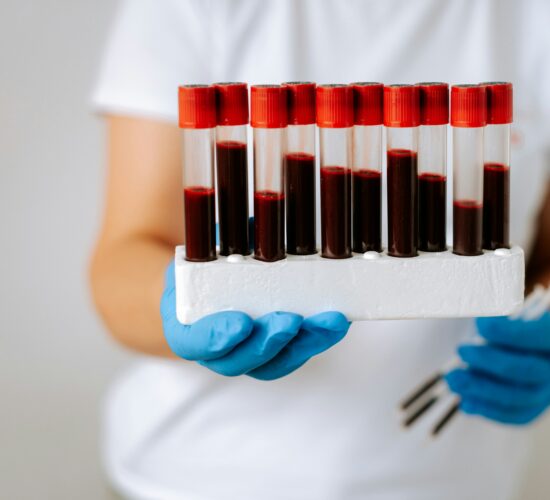
Imagine an emergency room where a patient has lost a dangerous amount of blood, but no compatible donor blood is available. For modern medicine, this situation remains a serious challenge. In earlier centuries, however, doctors had far fewer options for treating severe blood loss. They lacked reliable transfusion methods, advanced laboratory equipment, and a clear understanding of how blood worked. These limitations encouraged scientists to search for new ways to keep patients alive. Their efforts helped launch the long journey toward synthetic blood, a field that continues to explore how science might improve emergency care.
The history of artificial blood is more than a story about laboratory experiments. It reflects humanity’s determination to solve difficult medical problems through observation, creativity, and persistence. Early researchers often worked with incomplete knowledge, and some of their ideas failed to deliver the results they expected. Yet each experiment offered opportunities to understand the human body more clearly. By studying these early efforts, we can see how medical innovation develops and why groundbreaking discoveries often require decades of careful research.
When Blood Loss Became a Scientific Challenge
Before modern transfusion medicine developed, severe bleeding was one of the most dangerous medical emergencies. Injuries from accidents, childbirth complications, and military conflicts could cause rapid blood loss. Doctors understood that patients needed their lost blood volume restored, but they did not fully understand blood compatibility or the risks associated with transfusions. Early attempts sometimes caused severe reactions because physicians could not reliably determine whether one person’s blood was safe for another.
The discovery of blood groups in the early twentieth century transformed transfusion medicine. Scientists gained a better understanding of why some transfusions succeeded while others caused dangerous reactions. Improved techniques eventually made blood transfusions safer and more dependable. However, the need for compatible donations remained. Blood also required proper storage, screening, and transportation. These challenges inspired researchers to investigate whether an artificial product could provide oxygen to vital organs when donated blood was unavailable.
Discovering the Real Purpose of Synthetic Blood
The phrase synthetic blood can create the impression that scientists want to manufacture an exact copy of human blood. In reality, many early research projects focused on a narrower goal: delivering oxygen to tissues. Blood performs numerous functions, including transporting nutrients, fighting infections, regulating body temperature, and helping control bleeding. Reproducing all these functions in one manufactured product would be extraordinarily difficult.
Researchers therefore explored whether they could develop an oxygen-carrying substitute that would support the body during critical emergencies. Red blood cells provided an important starting point because they contain hemoglobin, the protein responsible for transporting oxygen. Scientists investigated whether purified hemoglobin or other oxygen-carrying substances could perform a similar role outside normal red blood cells. This approach offered a possible way to support patients while doctors arranged definitive treatment, although it could not replace every function of whole blood.
Early Experiments That Changed Scientific Thinking
Some early attempts to replace blood reflected the limited knowledge of their time. During the nineteenth century, physicians experimented with fluids such as milk as possible substitutes. These approaches were based on incomplete theories about what the bloodstream could tolerate. They did not establish a dependable treatment, but they demonstrated the importance of testing medical assumptions instead of relying on appearances or simple comparisons between substances.
As laboratory science advanced, researchers developed more focused strategies. During the twentieth century, scientists investigated hemoglobin solutions and perfluorocarbons, synthetic compounds capable of dissolving oxygen. These methods worked differently, but both aimed to help transport oxygen through the body. Laboratory studies helped researchers understand their potential benefits and limitations. Scientists also learned that the body’s response to a substance could be more complicated than its performance in a controlled experiment.
The Hidden Obstacles Behind Artificial Oxygen Carriers
One major challenge involved using hemoglobin outside red blood cells. In its natural environment, hemoglobin operates within a protective cellular structure. Once removed, it can behave differently and may cause harmful effects. Early hemoglobin-based products sometimes reduced nitric oxide levels, which can cause blood vessels to narrow and blood pressure to rise. Other concerns included rapid removal from circulation and possible damage to organs.
These findings forced scientists to reconsider how they designed artificial oxygen carriers. Researchers experimented with chemically modifying hemoglobin to improve its stability and extend its circulation time. They also examined ways to reduce unwanted interactions with blood vessels. Such modifications helped advance scientific understanding, but they did not automatically make the products safe. The challenge was to create a substance that delivered oxygen effectively without disrupting the body’s normal functions.
Clinical Trials Reveal the Limits of Early Innovation
As research progressed, several experimental oxygen carriers entered human clinical trials. Products such as HemAssist and PolyHeme attracted attention because they offered potential alternatives when conventional blood transfusions were difficult to provide. Researchers hoped these products could support patients with severe injuries or other urgent medical needs. Their development represented an important transition from laboratory research to testing treatments in real clinical settings.
However, clinical studies revealed serious safety concerns with some hemoglobin-based products. Certain trials reported increased risks, including cardiovascular complications and higher mortality in particular patient groups. These findings demonstrated that an artificial oxygen carrier could show scientific promise without improving patient outcomes. Researchers had to evaluate not only whether a product transported oxygen but also whether it helped patients survive without unacceptable harm. These setbacks strengthened the case for rigorous clinical testing and careful safety monitoring.
How Early Research Continues to Shape Medicine
The lessons from early synthetic blood research continue to influence scientists today. Researchers now recognize that oxygen delivery is only one part of developing a useful blood substitute. A successful product must also remain stable, circulate appropriately, and avoid harmful reactions. Modern investigations explore improved hemoglobin-based carriers, perfluorocarbon formulations, and other technologies designed to overcome earlier limitations.
Despite decades of progress, no artificial oxygen-carrying blood substitute has received approval from the U.S. Food and Drug Administration for routine clinical use. Donated blood remains essential for treating many patients who experience serious blood loss. Nevertheless, early experiments helped researchers identify critical biological challenges and develop more informed approaches to medical innovation. The quest for synthetic blood continues because the potential benefits remain significant, especially during emergencies when compatible blood supplies are limited.
A Scientific Journey Defined by Persistence
The development of synthetic blood demonstrates that meaningful scientific progress rarely follows a straight path. Early researchers faced difficult questions, limited technology, and disappointing results. Their experiments did not produce an immediate replacement for donated blood, but they helped reveal how oxygen transport works and why the body’s response to artificial substances matters so much.
Today, scientists build on those discoveries as they search for safer ways to support patients with life-threatening blood loss. Their work reflects the lasting value of persistence, careful experimentation, and evidence-based medicine. The story of synthetic blood is not simply about creating something artificial. It is about learning enough about human biology to design treatments that can work safely when lives depend on them.
Additional Information
- Blog
- modern medicine, natural environment, synthetic blood
- Dr. James Frizzell