The Hidden Science Behind Synthetic Blood: How Early Researchers Tried to Save Lives
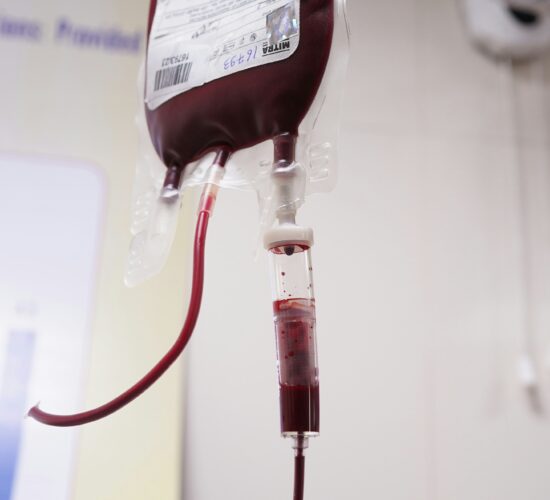
Blood is one of the most important substances in the human body. It carries oxygen, removes waste, fights infection, and helps keep organs working. When a person loses a large amount of blood, the situation can become life-threatening very quickly. For centuries, doctors had few reliable ways to replace lost blood. The development of synthetic blood research changed that picture by opening the door to new ways of supporting patients when donated blood was unavailable.
The Problem of Blood Loss
Before modern blood transfusion became reliable, severe blood loss was often a medical emergency with few solutions. Doctors understood that blood was essential, but they did not fully understand blood types, compatibility, or the complex role of red blood cells.
Early transfusions sometimes produced dangerous reactions because doctors did not yet know that human blood differs from person to person. The discovery of blood groups in the early 20th century made transfusions much safer. Still, another problem remained: donated blood has a limited shelf life and requires careful storage, testing, transportation, and matching.
These limitations encouraged scientists to ask a difficult question. Could medicine create a substance that performs some of the most important functions of blood without depending entirely on human donors?
Why Scientists Wanted Synthetic Blood
The central goal of synthetic blood research was not necessarily to create a perfect replacement for every function of natural blood. Instead, researchers focused on one of its most urgent jobs: transporting oxygen.
Red blood cells contain hemoglobin, a protein that binds to oxygen in the lungs and carries it throughout the body. During major blood loss, the body can struggle to deliver enough oxygen to vital organs. If oxygen delivery falls too far, the heart, brain, kidneys, and other organs can become damaged.
Scientists therefore explored substances that could carry oxygen through the bloodstream. A successful oxygen-carrying fluid could potentially be useful during emergencies, surgery, trauma care, or situations where compatible donated blood was difficult to obtain.
The Early Experiments
Some of the earliest work involved unusual materials. Researchers experimented with solutions containing hemoglobin and other compounds that could transport oxygen. Another important area of research involved perfluorocarbons, chemical substances that can dissolve and transport significant amounts of oxygen.
Perfluorocarbon research became especially interesting because these compounds do not depend on red blood cells to carry oxygen. Scientists discovered that specially prepared emulsions could circulate through the body and transport dissolved gases.
However, creating an oxygen-carrying liquid was only part of the challenge. A substance introduced into the bloodstream must also be safe, stable, and capable of remaining in circulation long enough to provide meaningful medical benefits.
The Challenge of Making Blood Substitute Safe
Natural blood is extraordinarily complex. Red blood cells have flexible membranes, hemoglobin is carefully contained inside them, and blood contains proteins, electrolytes, clotting factors, immune cells, and many other components.
Early blood substitutes could not reproduce all these functions. Instead, researchers concentrated on creating temporary oxygen carriers.
Hemoglobin-based products presented their own difficulties. Free hemoglobin behaves differently from hemoglobin inside red blood cells. When released directly into the bloodstream, it can interact with blood vessels and other tissues in ways that may cause unwanted effects. Scientists had to modify or package hemoglobin to make it more suitable for medical use.
This work required years of laboratory research, animal studies, clinical testing, and careful safety evaluation.
A New Approach to Emergency Medicine
The potential value of synthetic blood became particularly clear in situations where conventional transfusions were difficult. A blood substitute could theoretically be stored longer, transported more easily, and used without immediately requiring an exact blood-type match.
This made synthetic blood research especially appealing for emergency medicine and remote medical care. In a disaster, battlefield, or rural location, access to properly matched donated blood can be limited. A stable oxygen-carrying fluid could provide temporary support while a patient receives definitive treatment.
Researchers also saw possibilities in surgery, where controlling blood loss and maintaining oxygen delivery are major concerns.
Why Synthetic Blood Was So Difficult to Create
Despite decades of research, creating a complete artificial replacement for human blood proved far more difficult than scientists initially hoped. Blood does much more than carry oxygen. It regulates temperature, transports nutrients and hormones, supports immunity, controls bleeding, and maintains chemical balance throughout the body.
An oxygen-carrying blood substitute addresses only part of this enormous biological system.
Safety also remained a major concern. Researchers needed to determine how long these products could remain in the body, how they affected blood vessels and organs, and how the body eventually removed them.
These challenges did not make the research unsuccessful. Instead, they revealed how complicated natural blood really is and helped scientists develop a deeper understanding of oxygen transport and circulation.
The Legacy of Early Synthetic Blood Research
The early search for synthetic blood helped create new ideas in emergency medicine, biotechnology, and drug development. Even when individual products did not become standard treatments, the research provided valuable information about hemoglobin, oxygen delivery, blood circulation, and the body’s response to artificial materials.
Today, scientists continue to investigate advanced oxygen carriers and other technologies designed to support patients during severe blood loss. Modern research also includes approaches involving engineered red blood cells, artificial oxygen carriers, and improved blood-storage technologies.
The story of synthetic blood is therefore more than a search for a replacement fluid. It is a story about scientists trying to solve one of medicine’s oldest and most urgent problems: how to keep a human body alive when its natural blood supply is suddenly lost. What began as experimental research has helped shape a broader understanding of how oxygen moves through the body and how medicine might one day provide lifesaving support when donated blood is not immediately available.
Additional Information
- Blog
- donated blood, red blood cells, synthetic blood
- Dr. James Frizzell