Why Catching Muskies Requires Persistence and Mental Strength
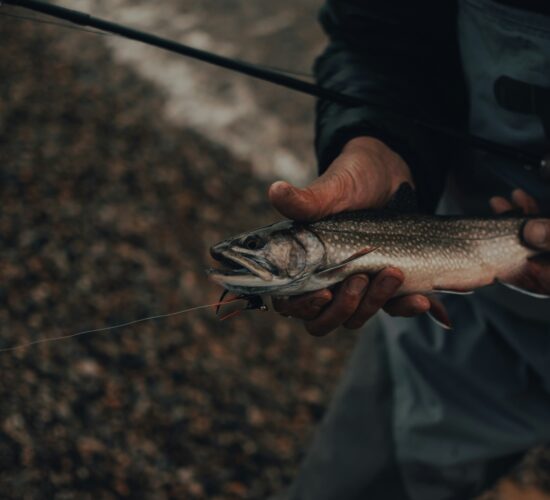
Musky fishing is one of the most demanding experiences in freshwater angling. These powerful predators are difficult to locate, unpredictable in their behavior, and rarely easy to catch. While many fishing trips offer regular action, pursuing muskies often involves hours of casting without a single strike. This challenge makes patience and mental strength just as important as fishing knowledge and equipment.
The excitement of catching a musky comes from the uncertainty surrounding every attempt. Anglers must remain alert, make thoughtful decisions, and maintain confidence despite repeated disappointments. Success requires more than physical effort. It depends on the ability to handle frustration, recognize opportunities, and stay committed when results seem distant. Understanding these mental challenges can help anglers develop a more rewarding approach to musky fishing.
Why Musky Fishing Demands Exceptional Determination
Muskies are known for their elusive nature and unpredictable feeding habits. Unlike smaller freshwater fish that may strike frequently, muskies can ignore numerous presentations before showing interest. Their behavior depends on several factors, including water conditions, seasonal changes, and the availability of food. Even experienced anglers cannot predict exactly when a fish will become active.
This uncertainty creates a demanding environment where persistence becomes essential. Anglers may spend several trips exploring productive-looking waters without landing a fish. Instead of becoming discouraged, successful individuals learn to accept these difficulties as part of the experience. Their determination comes from understanding that each fishing session offers another opportunity to improve their knowledge and increase their chances of success.
Maintaining Confidence When Fish Refuse to Bite
Confidence can disappear quickly when hours of fishing produce no visible results. An angler may begin questioning lure choices, casting techniques, or fishing locations. These doubts sometimes lead to constant changes that prevent any single strategy from receiving a fair opportunity. Without confidence, even a well-prepared fishing trip can become frustrating.
Mentally strong anglers approach quiet periods differently. They trust their preparation while remaining open to reasonable adjustments. They recognize that a lack of strikes does not always indicate poor technique. Muskies may be inactive or positioned away from the areas being explored. Maintaining confidence allows anglers to continue fishing with purpose instead of letting disappointment influence every decision.
Developing Concentration During Repetitive Casting
Casting repeatedly can become mentally exhausting, especially when the water remains quiet. After several hours, an angler may begin retrieving a lure without paying close attention. This loss of concentration creates problems because a musky can appear unexpectedly. A brief moment of distraction may result in a missed opportunity after an otherwise productive day.
Strong concentration requires anglers to treat each cast as a meaningful attempt. They must observe the lure, monitor nearby water, and remain prepared for sudden movement. Paying attention to changes in depth, underwater cover, and fish activity also helps improve decision-making. By focusing on the immediate task rather than worrying about the next catch, anglers can maintain better control over their fishing performance.
Learning to Handle Missed Strikes Without Frustration
Few moments are more disappointing than losing a musky after finally receiving a strike. The fish may escape during the fight, refuse to commit fully, or release the hook before reaching the boat. These experiences can feel especially frustrating because anglers often invest considerable effort before receiving an opportunity. A missed catch may remain in their thoughts long after the encounter ends.
However, disappointment does not have to damage future performance. Anglers can use these experiences to identify possible improvements in timing, equipment preparation, and fish handling. Remaining calm after a missed strike helps them continue fishing effectively. Instead of allowing one unsuccessful encounter to define the entire trip, they can recognize the progress involved in attracting a fish and creating a genuine opportunity.
Understanding the Value of Consistent Fishing Habits
Musky fishing rewards consistent effort over time. Successful anglers often develop routines that help them prepare for changing conditions and maintain reliable performance. They inspect their equipment, study familiar waters, and consider how recent weather may influence fish activity. These habits create a sense of structure even when the outcome remains uncertain.
Consistency also helps anglers evaluate their experiences more accurately. When they maintain dependable fishing methods, they can better recognize which adjustments produce useful results. Constantly changing every part of their approach makes learning more difficult. By building steady habits and making purposeful improvements, anglers gradually develop the confidence needed to handle challenging fishing conditions.
How Emotional Control Improves Decisions on the Water
Emotions can strongly influence fishing decisions. Frustration may encourage anglers to abandon promising locations too early, while excessive excitement can lead to rushed movements when a fish appears. Both reactions can reduce the chances of success. Learning to manage these emotions allows anglers to respond thoughtfully rather than acting on immediate feelings.
Emotional control becomes especially valuable during close encounters. When a large musky approaches a lure, an angler must remain composed and continue the presentation naturally. Sudden movements or unnecessary changes can disrupt the opportunity. Calm reactions also help when a fish strikes, allowing the angler to concentrate on maintaining control. This discipline develops gradually through practice, reflection, and repeated exposure to demanding situations.
Building Mental Endurance Through Uncertain Outcomes
One of the greatest challenges in musky fishing is accepting that effort does not guarantee success. Anglers can spend an entire day making accurate casts, exploring suitable habitats, and using effective techniques without catching anything. This uncertainty requires a different mindset from activities where progress produces immediate and measurable results.
Mental endurance grows when anglers learn to separate their effort from the outcome. They can evaluate a trip based on preparation, observation, and improvements rather than counting only fish caught. This perspective reduces unnecessary pressure and encourages long-term development. It also helps anglers remain motivated through difficult periods, allowing them to approach future outings with renewed energy and realistic expectations.
Why Adaptability Matters More Than Following a Fixed Plan
Preparation provides a strong starting point, but changing conditions often require anglers to adjust their approach. A location that produced fish during a previous trip may become less productive when water temperatures, weather patterns, or food sources change. Following an unsuccessful strategy without considering new information can waste valuable fishing time.
Adaptable anglers remain observant and willing to reconsider their choices. They may explore different depths, change retrieval speeds, or move to areas with more suitable conditions. However, effective adjustments require patience and clear reasoning. Making changes simply because fishing feels slow can create confusion. Successful adaptation involves recognizing useful evidence and responding without abandoning the overall goal.
How Musky Fishing Strengthens Personal Discipline
The mental demands of musky fishing can teach lessons that extend beyond the water. Remaining committed during slow periods encourages patience, while handling missed opportunities develops emotional resilience. Anglers also learn that meaningful progress often requires repeated effort without immediate rewards. These experiences can strengthen their ability to approach other challenges with greater composure.
Personal discipline grows through small decisions made throughout each trip. Choosing to maintain concentration, follow safe fishing practices, and continue learning reflects a commitment to improvement. Anglers who embrace this process often discover that the pursuit becomes more satisfying over time. Their progress depends not only on catching fish but also on developing better habits and a stronger mindset.
The Lasting Rewards of Persistence in Musky Fishing
Catching a musky creates a memorable experience because success often follows considerable effort. The sudden strike of a powerful fish can transform an otherwise quiet day into an unforgettable adventure. Every cast, observation, and difficult moment becomes part of the achievement. The excitement reflects more than the size of the fish. It represents the patience and preparation required to create that opportunity.
Ultimately, musky fishing teaches anglers to appreciate persistence without expecting guaranteed results. Each outing presents new conditions, unexpected obstacles, and opportunities for personal growth. Those who remain focused, adaptable, and determined can develop a deeper understanding of both fishing and themselves. Although landing a musky remains an exciting goal, the mental strength developed throughout the pursuit may become its most valuable reward.
Additional Information
- Blog
- fishing trips, future performance, personal growth
- Dr. James Frizzell