The Science of Saving Lives Before It Was Possible
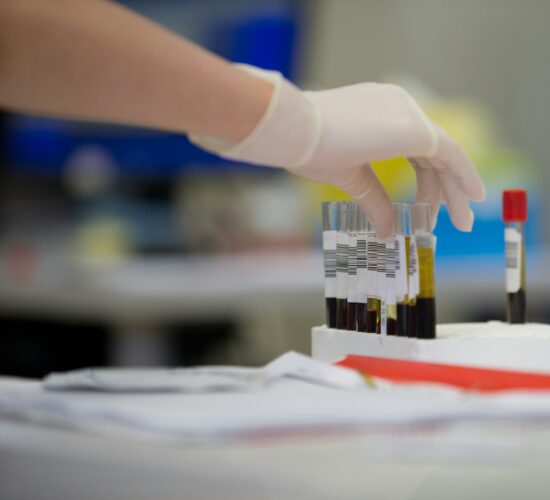
Long before modern medicine could rely on blood banks and advanced transfusions, scientists asked a daring question: could humans create synthetic blood to save lives? The idea seemed almost impossible at first, but early research laid the groundwork for decades of progress in medicine and biology. By studying these early experiments, we can better understand how science evolves, how failures inform success, and how curiosity drives discovery.
The Early Motivation for Synthetic Blood
The push for synthetic blood began in the mid-20th century, when doctors increasingly performed surgeries and blood transfusions. Blood shortages and the risk of transmitting diseases through donated blood motivated researchers to explore artificial alternatives. Scientists sought substances that could efficiently transport oxygen, resist immune rejection, and remain stable outside the body. Initially, this challenge seemed insurmountable, but the urgency of medical needs spurred innovation and experimentation.
Researchers tested modified hemoglobin, perfluorocarbons, and other chemical compounds, aiming to replicate blood’s complex functions. They discovered quickly that simply mimicking color or viscosity was not enough. Oxygen delivery, biochemical compatibility, and safety in humans were most important. These insights gradually moved the field from a theoretical concept to a practical investigation.
Discovering Through Trial and Error
Early synthetic blood research relied heavily on trial and error, and scientists quickly realized the limits of current knowledge. Hemoglobin, removed from its natural environment, often became toxic or failed to transport oxygen properly. Perfluorocarbons carried oxygen but required special breathing techniques and high concentrations. Each failure forced researchers to refine methods and rethink assumptions, ultimately yielding valuable insights into human physiology and chemistry.
These setbacks illustrate a universal truth in science: progress rarely occurs in a straight line. Failures generate data, guide the next step, and help scientists understand why certain approaches fail. In synthetic blood research, repeated testing of compounds, delivery methods, and storage techniques gradually laid the foundation for future breakthroughs.
Collaboration Across Fields
Synthetic blood research also highlights the importance of collaboration. Chemists, biologists, engineers, and medical professionals worked together to develop solutions. Each discipline brought unique knowledge, which allowed researchers to tackle complex problems more effectively. For example, chemists focused on oxygen-carrying molecules, biologists studied immune responses, and engineers designed devices to safely test blood substitutes in animals.
Collaboration extended beyond academia. Private companies partnered with universities to provide funding, lab equipment, and clinical trial support. These partnerships accelerated experimentation and innovation, showing that science thrives when expertise and resources are shared. Techniques developed for synthetic blood later influenced other areas, such as organ transplantation, wound care, and critical care medicine.
Ethics and Public Trust
As research progressed, ethical considerations became crucial. Scientists needed to ensure experimental blood would not harm patients in trials, and regulatory agencies imposed strict safety standards. Researchers also faced public scrutiny, as people worried about the risks of artificial blood. These challenges slowed some experiments but reinforced the need for careful, transparent research practices. Ethics became part of the scientific process, guiding experiments and shaping public acceptance of new technologies.
Early synthetic blood research demonstrates how ethics and regulation work alongside technical progress. Safe, responsible experimentation builds public trust, which is essential when innovations aim to save lives.
Incremental Breakthroughs and Lasting Impact
While early synthetic blood never fully replaced donated blood, the research created a lasting impact. Scientists developed oxygen carriers, improved storage techniques, and refined emergency medicine practices. Military and disaster medicine benefited from these advances, as researchers explored substitutes for situations where donor blood was unavailable. The lessons learned from decades of experimentation continue to guide modern efforts to produce safe, effective synthetic blood.
Each small breakthrough in early research contributed to cumulative progress. For instance, understanding how hemoglobin behaves outside red blood cells informed later therapies and improved transfusion safety. Perfluorocarbon studies revealed the potential for temporary oxygen carriers, influencing treatments for trauma patients. These incremental advances demonstrate that science is often evolutionary rather than revolutionary.
The Role of Curiosity and Persistence
The story of synthetic blood underscores the power of curiosity and persistence in science. Researchers pursued an idea that seemed impossible, and their persistence over decades slowly turned it into a feasible scientific endeavor. They embraced uncertainty, learned from mistakes, and collaborated widely. Their work illustrates that scientific progress depends on asking bold questions, even when solutions are not immediately apparent.
Moreover, synthetic blood research reminds us that innovation often comes from necessity. Shortages, emergencies, and medical crises pushed scientists to explore unconventional approaches. Curiosity combined with real-world problems drives discoveries that can ultimately save lives.
Lessons for Modern Science
Studying early synthetic blood research offers lessons for broader scientific progress. First, failure is informative, not final. Each experiment, successful or not, adds knowledge that future researchers can build upon. Second, collaboration multiplies potential. Diverse expertise accelerates problem-solving and innovation. Third, ethics and public trust are inseparable from progress. Responsible research ensures that science benefits society safely. Finally, curiosity fuels discovery. Even seemingly impossible ideas, pursued with diligence, can transform medicine.
Science, as illustrated by synthetic blood research, is a journey. It moves through challenges, collaboration, and learning, often in unexpected directions. By exploring the early efforts to create artificial blood, we gain insight into how persistence, creativity, and ethical responsibility shape scientific progress.
The Ongoing Legacy
Today, scientists continue to pursue synthetic blood, inspired by the pioneering work of early researchers. Advanced polymers, hemoglobin-based oxygen carriers, and innovative preservation methods bring the goal closer than ever. The legacy of early experiments lives on in the techniques, lessons, and curiosity that drive modern medicine forward.
Synthetic blood research serves as a reminder that every scientific breakthrough begins with questions that seem impossible at the time. It highlights how incremental advances, careful experimentation, and open collaboration can yield innovations with far-reaching benefits. By understanding the past, we can appreciate the ongoing journey of science and its potential to save lives in the future.
Additional Information
- Blog
- modern medicine, synthetic blood
- Dr. James Frizzell