The Untold Story of Early Synthetic Blood Research in Medical Science
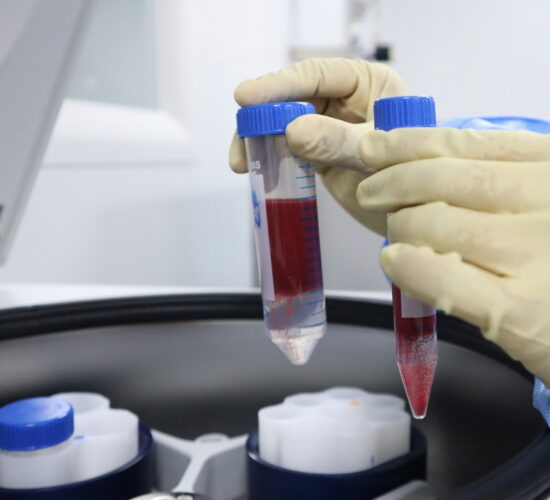
The story of synthetic blood begins with a simple but urgent problem. Doctors often faced patients who were losing blood faster than it could be replaced. In many cases, there was no time to wait for a matching donor. This created a serious gap in emergency care and surgery.
Blood transfusions saved many lives, but they also had limits. Blood had to be stored correctly, matched carefully, and delivered quickly. When any of these steps failed, patients were at risk. This pressure pushed scientists to imagine a new solution that would work when real blood was unavailable.
Early Ideas in a Time of Medical Urgency
The first ideas about artificial blood did not come from high technology. They came from urgency. Scientists and doctors started asking if a simple fluid could help keep people alive long enough to receive treatment. This idea shaped the earliest experiments in blood replacement.
At the beginning, the goal was not to fully copy blood. Instead, researchers wanted something that could support the body during emergencies. They focused on keeping circulation stable. These early thoughts laid the foundation for more complex research in the years that followed.
The First Attempts to Replace Blood Function
Early experiments used basic fluids that could be given to patients quickly. These solutions helped replace lost volume in the body. They kept blood pressure from dropping too low. This was useful in emergencies and surgeries where time was of the essence.
However, these fluids had a clear weakness. They could not carry oxygen. Without oxygen, the body could not survive for long. Doctors realized that stabilizing circulation was not enough. The real challenge was to deliver oxygen to tissues and organs.
Why Oxygen Became the Key Focus
As research continued, scientists began to understand what made blood so important. Blood was not just a liquid in the body. It carried oxygen to every organ. Without oxygen, cells would stop working and begin to fail.
This discovery changed the direction of research. Scientists are now focused on finding a way to move oxygen through the body without using real blood. This was a difficult goal. Oxygen delivery had to be steady, safe, and controlled. Too much or too little could harm the patient.
Hemoglobin and the First Real Breakthrough
One of the biggest steps in early research came from studying hemoglobin. This is the part of the blood that carries oxygen. Scientists realized that if they could use hemoglobin outside of blood cells, they might create a working substitute.
At first, this idea looked promising. Hemoglobin could carry oxygen in laboratory tests. But problems appeared when it was placed in the human body. It did not stay stable. It sometimes broke down too quickly. This raised safety concerns, slowing progress.
Challenges Inside the Human Body
The human body is a complex system. When scientists introduced early ideas for synthetic blood, they observed unexpected reactions. Some solutions irritated blood vessels. Others changed how blood pressure behaved. These effects showed that blood replacement was not simple.
Researchers learned that oxygen delivery alone was not enough. Blood interacts with many parts of the body simultaneously. It supports balance, flow, and protection. Any artificial version had to match these functions closely to be safe for medical use.
Wartime Pressure and Faster Progress
Major conflicts in the twentieth century accelerated research. On battlefields, soldiers often needed immediate care. Blood loss was one of the leading causes of death. However, transporting and storing blood was not always possible in those conditions.
This created pressure for faster solutions. Governments supported research into blood alternatives for emergencies. Scientists worked harder to develop fluids that could be stored longer and used more easily. Wartime needs pushed innovation forward much faster than peaceful times.
Chemical Approaches to Oxygen Transport
As biological methods struggled, scientists explored chemical options. They looked for substances that could carry oxygen without using human blood. This led to experiments with special liquids that could hold oxygen molecules.
These chemical solutions showed promise but also had limits. Some worked only under special conditions. Others needed high oxygen environments to function well. Even though they were not perfect, they helped researchers understand new ways to move oxygen through the body.
Safety Concerns and Early Clinical Tests
When early synthetic blood ideas moved into human testing, safety became the main concern. Some solutions worked in theory but caused problems in real patients. Reactions varied from mild discomfort to serious complications. This slowed down development.
These tests taught scientists important lessons. They learned that even small changes in blood chemistry could affect the entire body. Careful testing became necessary before any new idea could move forward. Safety became just as important as effectiveness in research.
How Early Failures Built Modern Science
Many early attempts at synthetic blood did not succeed as scientists had hoped. However, these failures were not wasted. Each test provided valuable information about how blood works inside the body. Researchers learned what could be done and what must be avoided.
These early studies became the foundation of modern medical research. Today, scientists use advanced tools to design better oxygen carriers and even grow blood cells in laboratories. The progress seen today is built on the lessons learned from those early experiments.
The Beginning of a New Medical Future
Synthetic blood research is still evolving, but its origins show how medical science grows through challenge and persistence. What began as a response to emergency shortages has become a global field of innovation. Scientists continue to refine methods that could one day replace or supplement donor blood.
The journey is far from over, but the early story is clear. Each step, even the unsuccessful ones, brought medicine closer to safer and more reliable treatments. The untold history of synthetic blood research is not just about science. It is about the effort to save lives when time and resources are limited.
Additional Information
- Blog
- blood vessels, emergency care, reliable treatments
- Dr. James Frizzell