How Artificial Blood Experiments Advanced Medical Science
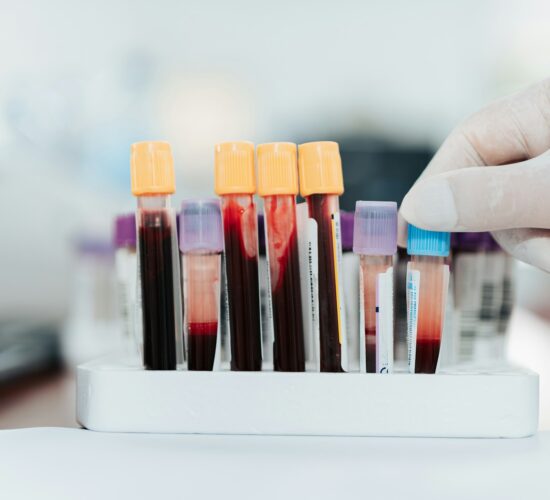
Artificial blood experiments asked a bold question: could scientists replace vital functions of donated blood? Artificial blood research never produced a simple bottle that fully copies blood. However, those experiments transformed medicine by revealing how oxygen transport, circulation, and transfusion safety work. Researchers learned from results and failures. Each trial exposed biological limits that laboratory studies missed. Over time, those lessons improved critical care, trauma research, blood storage, and medical product safety.
Artificial Blood Research Changed How Scientists Study Oxygen Delivery
Blood does far more than carry oxygen, yet oxygen transport became a practical starting point for experiments. Scientists studied hemoglobin because it binds oxygen inside red blood cells. Early researchers hoped purified hemoglobin could circulate freely and deliver oxygen without donated cells. However, free hemoglobin behaved differently outside red blood cells. It could leave vessels, impair kidney function, and disrupt normal vascular control. These problems forced researchers to examine oxygen delivery more deeply.
That work changed how scientists measured tissue oxygen needs during shock, surgery, and blood loss. Researchers began separating oxygen content from blood volume and blood pressure. Doctors gained a clearer picture of why normal pressure does not always mean adequate tissue oxygenation. Studies also highlighted microcirculation, where tiny vessels deliver oxygen to tissues. These insights strengthened critical care research beyond the original goal of creating blood substitutes.
Blood Substitute Experiments Improved Understanding of Hemoglobin
Hemoglobin-based solutions became an important experimental path in artificial blood research. Scientists modified hemoglobin to extend circulation and reduce harmful effects. Some approaches linked molecules, while others used chemical changes for stability. Yet several products caused vessel narrowing, inflammation, or cardiovascular risk. Those setbacks showed that hemoglobin interacts with the body in complex ways.
One major discovery involved nitric oxide, which helps blood vessels remain appropriately relaxed. Free hemoglobin can bind nitric oxide quickly and reduce its protective effects. As a result, experimental solutions sometimes caused higher vascular resistance and unwanted pressure changes. This finding influenced vascular biology and transfusion medicine. Researchers gained tools for studying endothelial function, blood flow, and oxygen-carrier chemistry.
Perfluorocarbon Studies Expanded Medical Engineering
Another branch of blood substitute research focused on perfluorocarbons, synthetic liquids that dissolve gases. These compounds do not use hemoglobin to transport oxygen. Instead, they carry dissolved oxygen when patients breathe oxygen-rich mixtures. Researchers explored emulsions that could move through the bloodstream and release oxygen into tissues. Although performance limits restricted clinical use, the experiments offered engineering lessons.
Perfluorocarbon studies linked chemistry, physiology, and pharmaceutical design in new ways. Scientists had to control particle size, stability, dosing, and removal. Moreover, they learned that oxygen delivery depends on ventilation and tissue conditions, not just the carrier. The work helped shape research on drug delivery systems and specialized imaging applications. It also encouraged collaboration between clinicians, chemists, engineers, and materials scientists.
Safety Failures Strengthened Clinical Trial Standards
Artificial blood experiments also advanced science by showing why laboratory results can fail in patients. Animal studies could not always predict human cardiovascular responses. As a result, researchers needed better trial designs, stronger monitoring, and more careful patient selection. Adverse events forced investigators to examine hidden risks before expansion. These experiences strengthened safety practices surrounding high-risk biomedical innovation.
The field also demonstrated why surrogate measurements can mislead researchers. A product might raise oxygen-carrying capacity without improving survival or organ function. For that reason, later studies emphasized meaningful clinical outcomes rather than attractive laboratory numbers. This approach influenced medical trial planning. It reinforced a central principle: biological success must translate into real patient benefit.
Transfusion Medicine Benefited From the Search for Alternatives
The search for blood alternatives encouraged researchers to study donated blood more carefully. Scientists compared experimental oxygen carriers with stored red cells and examined their strengths. This comparison raised questions about storage time, cell flexibility, inflammation, and oxygen release. Transfusion medicine gained a broader framework for evaluating when blood products help most.
Research also supported the growth of patient blood management. Doctors increasingly considered strategies that reduce unnecessary transfusions while protecting oxygen delivery. These strategies include surgical planning, anemia treatment, and precise transfusion thresholds. Although artificial products did not replace donated blood, the experiments encouraged more thoughtful use of limited supplies. That shift improved decisions and highlighted the value of conserving donor blood.
The Lasting Scientific Value of Artificial Blood Experiments
Artificial blood research remains valuable because its contribution extends beyond a single successful product. The experiments revealed how complicated blood functions become when scientists isolate one task from the whole system. They also showed that oxygen carriers must work with vessels, organs, immune responses, and cellular signaling. Modern researchers approach blood substitutes with greater respect for this network.
Today, the field continues exploring engineered hemoglobin, cellular technologies, and other oxygen-delivery strategies. Progress may eventually produce specialized products for trauma, remote care, or rare clinical situations. Even before that happens, past experiments have already advanced medical science. They improved knowledge, sharpened safety standards, and connected multiple research disciplines. Most importantly, they turned difficult failures into lessons that continue guiding transfusion medicine and biomedical innovation.
Additional Information
- Blog
- Dr. James Frizzell